
How a Dirty Air Filter Affects Your Air Conditioner
Your air filter is one of the simplest components in your cooling system, but it plays a major role in how well your air conditioner performs. When the filter becomes clogged with dust, dirt, pet hair, and other airborne particles, it can affect everything from comfort and efficiency to system reliability.
At H&S Heating and Air Conditioning, we often find that many common air conditioning problems can be traced back to a neglected air filter. Understanding how a dirty filter affects your system can help you avoid unnecessary repairs and keep your home comfortable throughout the summer. If you have more questions about your air filter or need AC service, call (320) 654-1522 or contact us online to schedule an appointment today.
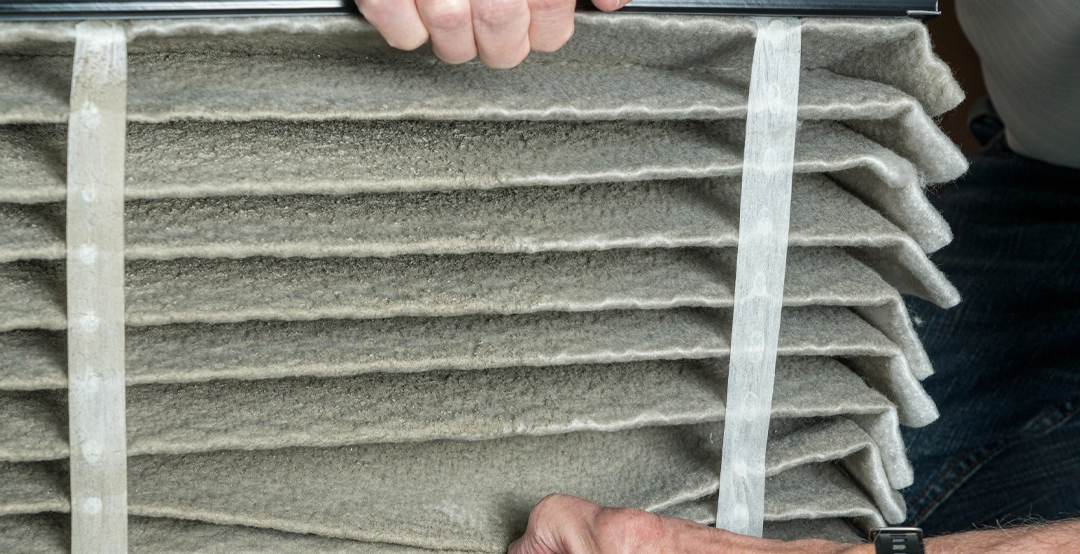
Why Your Air Filter Matters
Your air filter is designed to capture dust, pollen, and other particles before they enter your HVAC system. This helps protect internal components while improving indoor air quality.
As the filter collects debris, airflow becomes more restricted. Eventually, the system has to work harder to move air through your home, which can create a variety of problems.
Reduced Airflow Throughout Your Home
One of the first signs of a dirty filter is reduced airflow from your vents. When airflow is restricted, cooled air cannot circulate effectively throughout the house.
- Certain rooms feel warmer than others
- Weak airflow from supply vents
- Longer cooling cycles
- Reduced overall comfort
Many homeowners assume the air conditioner itself is failing when the real issue is simply a clogged filter.
Higher Energy Bills
When airflow is restricted, your air conditioner has to work harder to reach the desired temperature. The blower motor runs longer, the cooling system cycles more frequently, and overall energy consumption increases. Even a partially clogged filter can reduce efficiency enough to impact monthly utility bills.
Replacing the filter regularly is one of the easiest ways to help your cooling system operate more efficiently and control cooling costs throughout the summer.
Increased Wear on System Components
Air conditioners are designed to operate with proper airflow. When that airflow is restricted, additional strain is placed on critical components.
Over time, a dirty filter can contribute to:
- Blower motor wear
- Increased stress on electrical components
- Reduced system efficiency
- More frequent repair needs
This additional wear can shorten the lifespan of your cooling equipment and lead to avoidable service calls.
Frozen Evaporator Coils
One of the more serious consequences of a dirty filter is a frozen evaporator coil.
When airflow drops too low, the evaporator coil may become excessively cold and begin accumulating ice. As ice builds, cooling performance declines, and the system may stop working properly altogether.
Homeowners often first notice that the home feels warmer even when the air conditioner is running. In some cases, ice may be visible on refrigerant lines, or water may begin to collect around the indoor unit as the ice melts. If this occurs, professional service is usually needed to identify the underlying cause and restore proper operation.
Poor Indoor Air Quality
A clogged filter can also affect the air inside your home. As the filter accumulates dust, pollen, pet hair, and other debris, it becomes less effective at capturing airborne particles. This can lead to increased dust accumulation throughout the home and may contribute to allergy or respiratory irritation for some family members.
Regular filter replacement helps support cleaner indoor air while also allowing your cooling system to operate more efficiently.
How Often Should You Replace Your Air Filter?
The right replacement schedule depends on several factors, including household size, pets, allergies, and system usage.
As a general guideline:
- Standard filters often need replacement every 1–3 months
- Homes with pets may require more frequent changes
- Homes with allergy sufferers may benefit from more frequent replacement
- Heavy summer cooling use may increase replacement frequency
Checking the filter monthly is a good habit, especially during peak cooling season.
When to Have an HVAC Technician Inspect Your System
Replacing a dirty filter solves many airflow problems, but it does not fix every issue. If your air conditioner continues to struggle after a filter change, there may be additional issues affecting its performance.
An HVAC technician can evaluate airflow, coil condition, blower performance, refrigerant levels, and overall cooling efficiency. A professional inspection helps identify issues before they become expensive repairs.
A Clean Air Filter Helps Your Entire Cooling System
Replacing your air filter is one of the simplest and most effective ways to support your air conditioner. Proper airflow improves comfort, reduces energy use, protects system components, and helps maintain healthy indoor air quality. A few minutes spent checking your filter can help prevent many common cooling problems.
At H&S Heating and Air Conditioning, our experienced HVAC technicians help homeowners throughout St. Cloud, Sartell, Clear Lake, and surrounding Central Minnesota communities maintain peak performance in their cooling systems. Whether you need maintenance, repairs, or a professional inspection, we’re here to help. Call (320) 654-1522 or contact us online to schedule a service appointment.

 Image(s) licensed by Ingram Image