
When to Schedule Heating Repair for Uneven Temperatures
During a Minnesota winter, you expect your heating system to keep your entire home comfortable. However, some homeowners find that certain rooms stay warm while others remain noticeably colder. You might turn up the thermostat to compensate, only to make the warmer rooms uncomfortable without solving the underlying problem.
Uneven temperatures can result from airflow restrictions, ductwork issues, insulation problems, or heating equipment that isn’t operating as intended. At H&S Heating and Air Conditioning, we help homeowners identify the causes of inconsistent indoor temperatures and determine when professional heating repair is necessary.
If you notice uneven heating in your home, call (320) 654-1522 or contact us online to speak with our HVAC professionals.
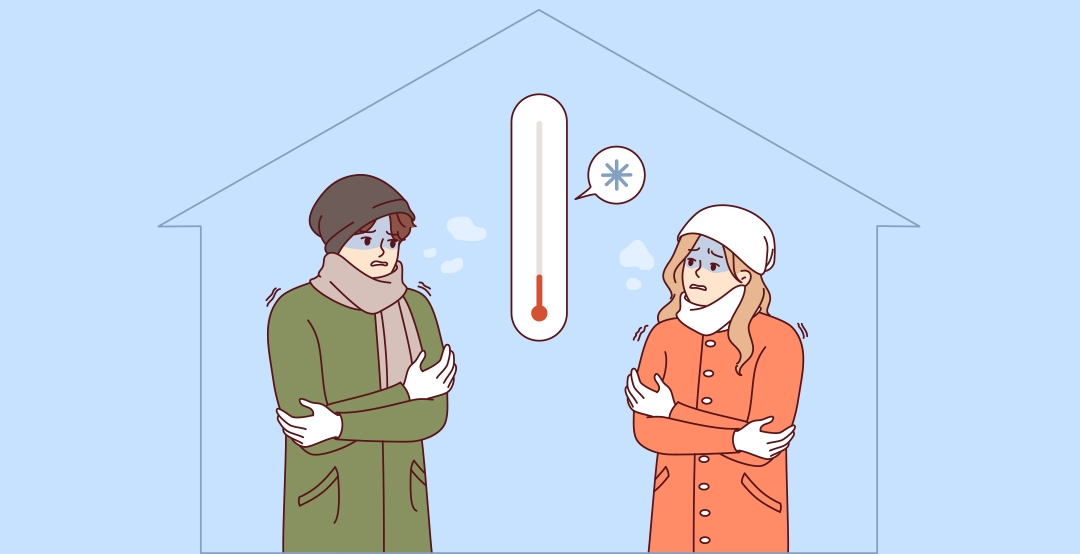
Why Are Some Rooms Colder Than Others?
Your heating system is designed to distribute warm air throughout your home, but several factors affect how effectively it does that.
Room location, window exposure, insulation levels, and ductwork design can all affect indoor temperatures. Upper floors may experience different conditions than lower levels, while rooms above garages or near exterior walls may lose heat more quickly.
Some temperature differences are related to the home’s construction rather than a mechanical failure. However, significant or worsening differences between rooms can indicate that the heating system needs attention.
Identifying whether the problem involves heat distribution, heat loss, or equipment performance is the first step toward finding an effective solution.
Restricted Airflow Can Create Uneven Heating
Warm air needs a clear path through your ductwork and into each room. When airflow is restricted, certain areas may receive less heat than others.
Blocked Supply & Return Vents
Furniture, rugs, curtains, and other household items can block supply or return vents, interfering with air circulation.
Supply vents deliver conditioned air into rooms, while return vents allow air to move back toward the heating system. Both are important for maintaining proper airflow.
Check that accessible vents are open and unobstructed. Avoid closing multiple vents to redirect heat, since doing so can increase pressure in the duct system and create additional airflow problems.
Dirty Furnace Filters
A clogged furnace filter can reduce the amount of air moving through your heating system.
When airflow is limited, rooms farther from the furnace may struggle to receive adequate heat. In more severe cases, restricted airflow can also contribute to overheating and unexpected system shutdowns.
Replacing a dirty filter is a simple maintenance task that may improve performance. If the problem continues, additional troubleshooting may be necessary.
Ductwork Problems That Affect Heating Distribution
Your ductwork plays an important role in delivering warm air to every room. Even a properly functioning furnace may struggle to maintain consistent temperatures if the duct system has problems.
Leaking or Disconnected Ducts
Gaps, loose connections, and damaged ductwork can allow heated air to escape before it reaches its intended destination.
This is particularly problematic when ducts pass through unconditioned spaces, such as attics or certain crawl spaces. Heat loss in these areas can reduce comfort and increase the amount of energy needed to warm your home.
Poorly Balanced Airflow
Some duct systems distribute more air to certain rooms than others. This can happen because of duct sizing, layout, installation conditions, or adjustments made over time.
Professional airflow testing can help determine whether the system is delivering appropriate amounts of heated air throughout the home.
Depending on the findings, solutions may involve duct sealing, balancing adjustments, or other modifications.
How Insulation & Windows Contribute to Cold Rooms
Not every uneven heating problem requires furnace repair. Sometimes, the heating system is delivering warm air correctly, but certain rooms lose heat faster than others.
Poor insulation, drafty windows, gaps around exterior doors, and insufficient air sealing can all contribute to colder indoor temperatures.
Rooms with multiple exterior walls or large windows may be especially vulnerable during windy or extremely cold weather.
How to Recognize Heat Loss Problems
If a room consistently feels colder despite receiving noticeable airflow from its supply vents, heat loss may be contributing to the problem.
You might also notice drafts around windows, cold exterior walls, or temperature differences that become more pronounced during severe weather.
Improving insulation and air sealing can help reduce these differences. However, it’s important to evaluate both the building and heating system before deciding which improvements are needed.
Can Thermostat Placement Cause Uneven Temperatures?
Your thermostat measures temperature at one location, but that reading may not represent conditions throughout the house. If the thermostat is located in a naturally warm area, it may shut off the furnace before colder rooms reach a comfortable temperature.
Sun exposure, nearby appliances, supply vents, and the home’s layout can all influence thermostat readings. Moving a thermostat or installing additional temperature sensors may help in certain situations, depending on the heating system and controls.
A professional can evaluate whether thermostat placement is contributing to uneven heating and recommend an appropriate solution.
When Uneven Heating Points to a Furnace Problem
Inconsistent room temperatures aren’t always caused by ductwork or insulation. The furnace itself may be struggling to produce or distribute enough heat.
Potential equipment-related problems include blower motor issues, restricted airflow, malfunctioning controls, or heating components that aren’t operating properly.
You may notice additional warning signs, such as unusually long heating cycles, frequent starts and stops, unexpected shutdowns, or difficulty maintaining the thermostat setting. These symptoms can indicate that professional heating repair is needed.
If your home has developed uneven temperatures after previously heating consistently, that change is especially worth investigating.
What Can Homeowners Check Before Calling for Heating Repair?
A few basic checks can help rule out common issues before scheduling service.
- Check your furnace filter. Replace it if it’s dirty and follow the manufacturer’s recommended maintenance schedule.
- Inspect accessible vents. Make sure supply and return vents aren’t blocked by furniture or other objects.
- Review thermostat settings. Confirm the thermostat is set correctly and that any programmed schedules match your heating preferences.
If these steps don’t improve comfort, avoid making electrical adjustments or attempting internal furnace repairs. A qualified HVAC technician can assess airflow, ductwork, thermostat operation, and furnace performance to identify the underlying cause.
Restore Consistent Comfort Throughout Your Home
Uneven heating can make winter uncomfortable, especially when certain rooms never seem to reach the right temperature. While some temperature differences result from insulation or home design, others may indicate restricted airflow, ductwork problems, or a malfunctioning heating system. Identifying the actual cause is the best way to improve comfort without making unnecessary repairs or adjustments.
At H&S Heating and Air Conditioning, we provide professional heating repair services for homeowners throughout St. Cloud and surrounding Central Minnesota communities. If you’re dealing with cold rooms, inconsistent temperatures, or a furnace that isn’t keeping up, our team can evaluate your system and recommend the next steps. Call (320) 654-1522 or contact us online to schedule a service appointment.
 Gemstone Lights
 Image(s) licensed by Ingram Image